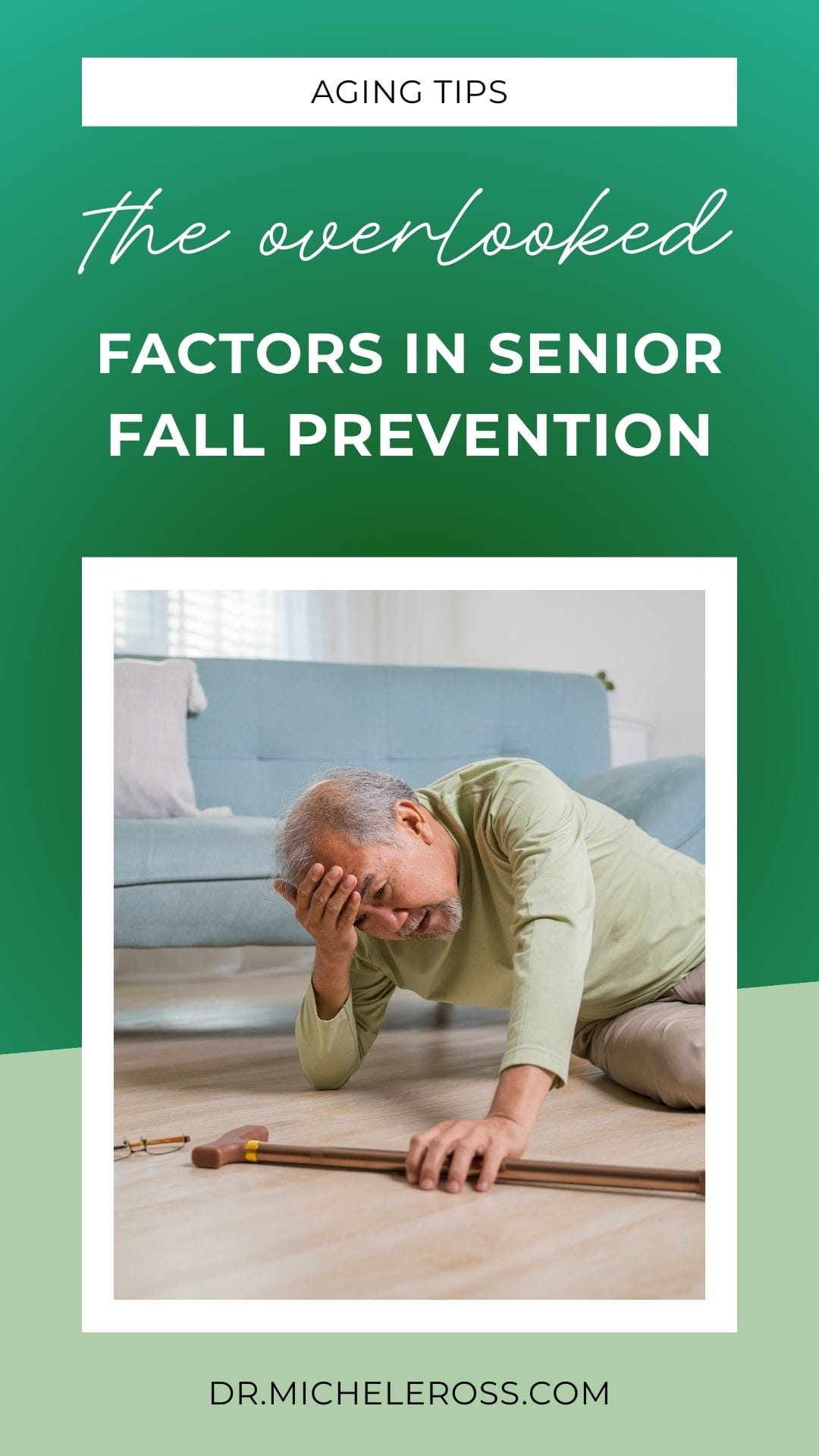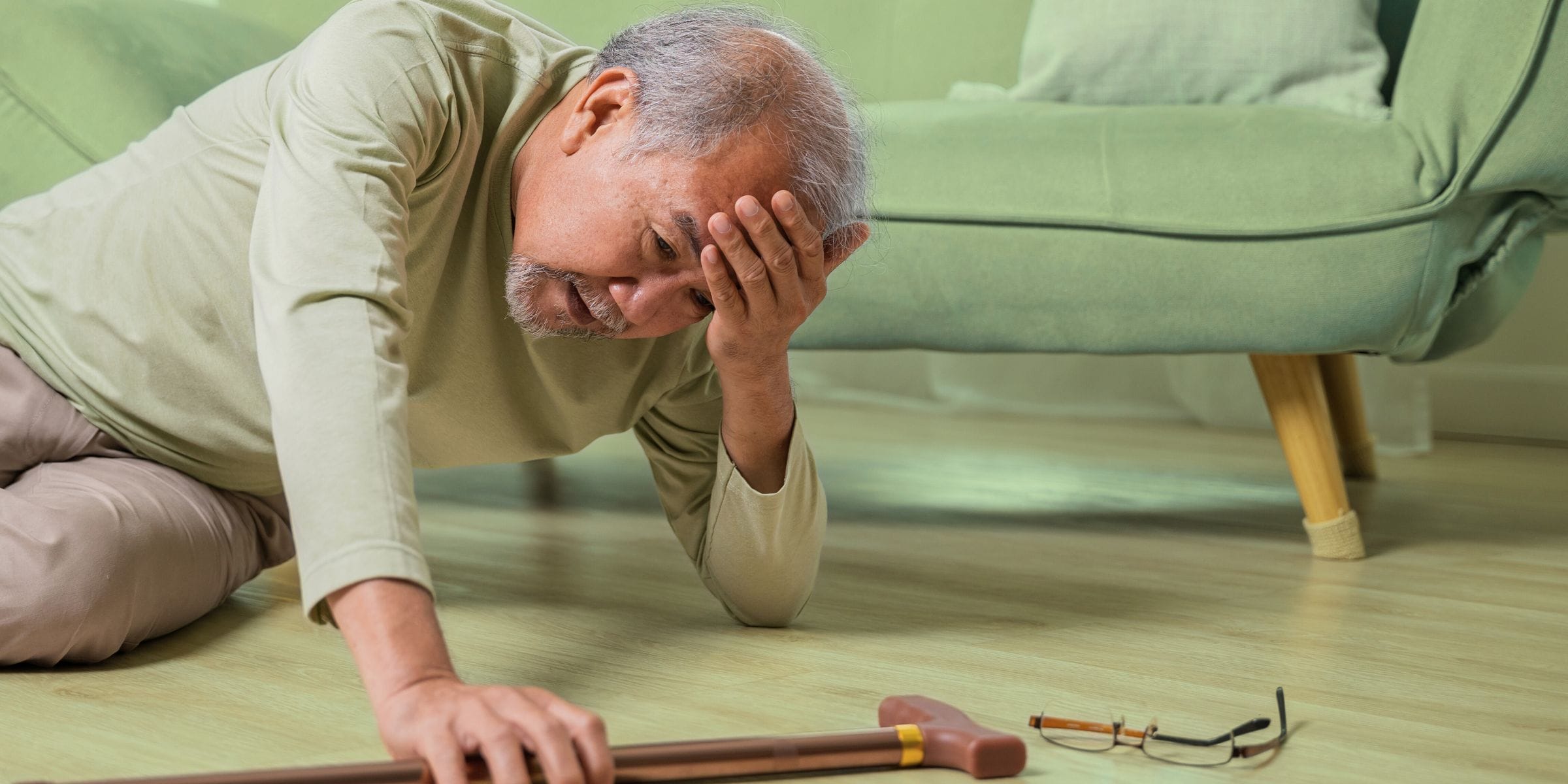
Senior fall prevention relies on various factors, including monitoring when there is a high risk. However, most people don’t like the imposition, so fortunately, there are other things that can help. From getting the correct diagnosis and care to the right shoes, here are some examples.
Taking Care of Hearing
Hearing loss happens naturally for most people as they age. There’s usually never a problem so long as you keep up with appointments and receive the right ear care. A regular hearing evaluation will help you find the most suitable hearing aids, and you can ask for advice from hearing specialists and audiologists. Avoiding hearing tests and hearing aid fittings will increase the risk of falling, as your ears are directly associated with your overall sense of balance.
Diagnosing Dementia Conditions
As a senior, there are many things that can affect how well you balance and walk. One of the last things that would enter your mind is dementia-related illnesses. Conditions such as Alzheimer’s, vascular dementia, and dementia with Lewy Bodies can increase the risk of a fall. If there are any symptoms of dementia conditions, getting a diagnosis is critical, as it means the proper care can be received, and the potential risk of falling is somewhat eliminated as a result.
Senior Fall Prevention through Social Connection
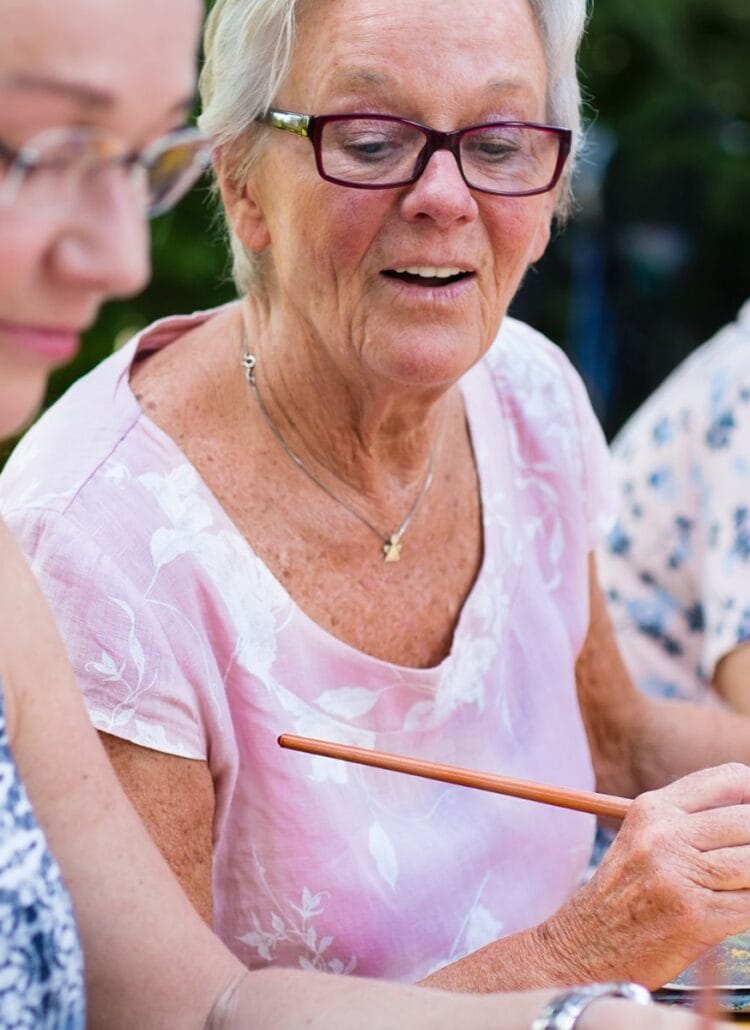
Emotional well-being relies on certain things, not least staying connected with friends and family. Aging comes with many challenges, such as mental and physical conditions, and support for chronic health challenges becomes necessary. However, seniors can become socially isolated as they develop a fear of falling outside of the home. So, try not to let social fears hold you back:
- Start small by getting out into situations or gatherings with friends and family.
- Question whether your fears around falling in public are founded or even accurate.
- Engage with others so your mind doesn’t stay focused on your current worries.
Wearing the Right Shoes
Of course, the shoes you wear can contribute to the risk of a fall. While you may want to wear your most fashionable pair, the time comes when safety and comfort win out over style! Shoes and slippers with a lack of proper support pose a high risk of falling with weaker legs, joints, and general instability. Orthotic insoles and replacement insoles can help support the feet and balance as you venture out. Anyways, formal wear with casual shoes like trainers is trendy now!
A Tidy and Well-Lit Home
Bumping into doors, standing on LEGO, and the dreaded toe bump are all hazardous to your sanity just as much as your health. Yet, they don’t compare to the potential injury from a fall. All of these usually happen in the dark, and the risk of falling increases when you can’t see. Yet this is further increased by a cluttered home. Loose cords and other objects can be dangerous and result in severe injuries, such as cutting off the blood supply, in the event of a fall.
Summary
Taking care of your hearing will help with senior fall prevention, as ears are linked to balance. Social connection can also help remove the fear of falling, which increases the risk. Of course, a well-lit and tidy space will dramatically reduce the chances of falling over household objects.
Pin This Post