

The Vital Role of Primary Care Physicians
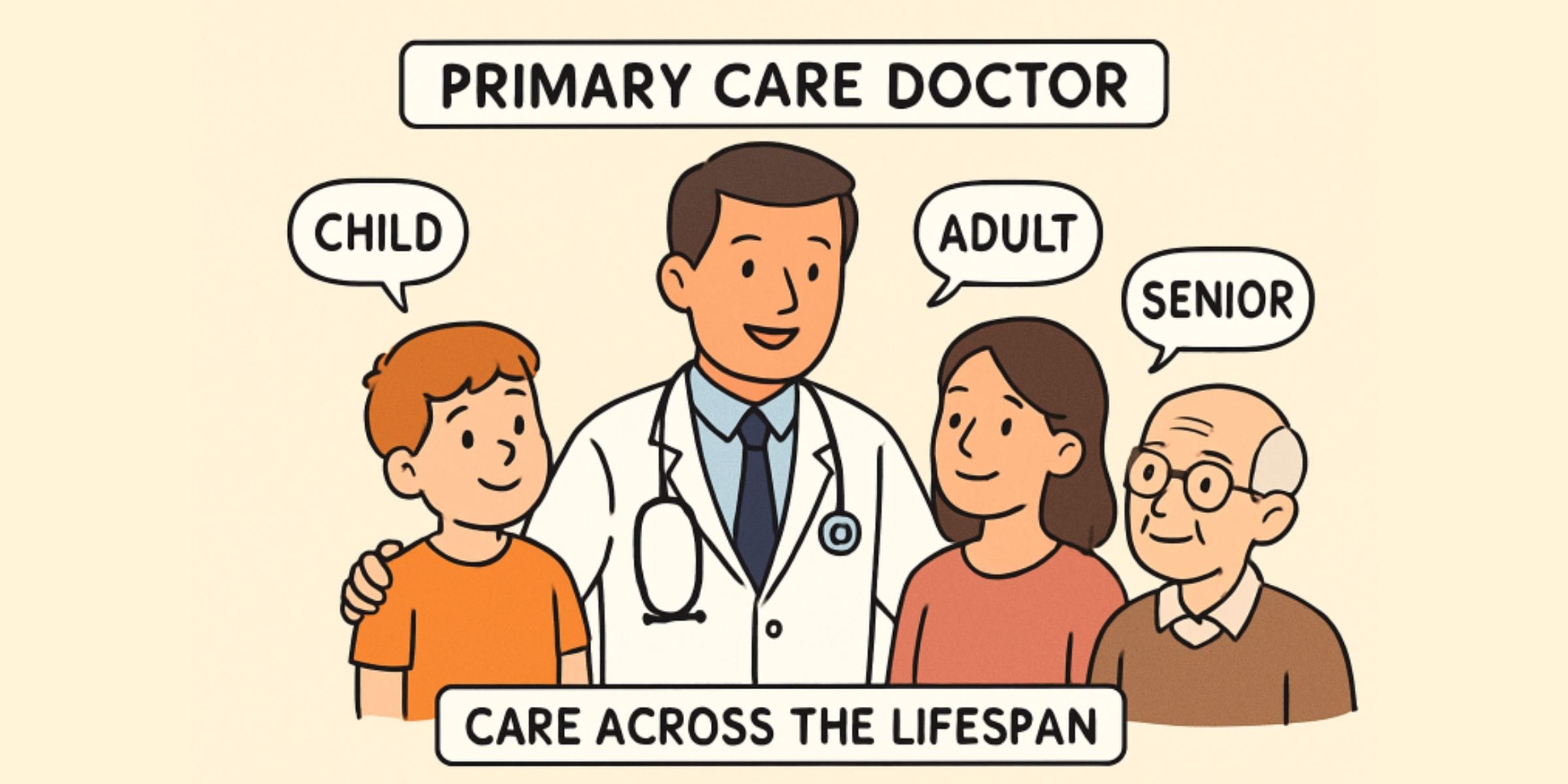
Primary care physicians are at the heart of a thriving healthcare system, offering broad-ranging, sustained care tailored to individuals of all ages. They provide not only preventive services but also ongoing management of acute and chronic conditions. Establishing a lasting relationship with a trusted provider—such as Linden primary care physicians—ensures that patients receive consistent, personalized care rooted in a deep understanding of their unique health profiles and needs.
PCPs address health issues, offer advice, and coordinate care across specialties to promote health and prevent disease. Their holistic approach adapts through life stages, creating continuous support that boosts long-term wellness for individuals and communities. By building trust, PCPs enable early intervention and personalized care, leading to better health outcomes.
Enhancing Life Expectancy Through Primary Care
Evidence suggests that primary care availability is linked to increased life expectancy. Communities with a higher density of primary care physicians tend to have lower mortality rates and longer life expectancies. For every 10 PCPs per 100,000 residents, community life expectancy rises by over 50 days. This impacts not only patients but public health as a whole. Primary care’s role in prevention, diagnosis, and disease management drives broader improvements in health.
Continuity of Care and Chronic Disease Management
Management of chronic diseases such as hypertension, diabetes, cardiovascular disease, and asthma relies heavily on consistent and coordinated medical care. Regular visits to a primary care physician facilitate ongoing monitoring, medication adjustments, and proactive treatment—all essential for controlling conditions and minimizing complications. The long-term relationships PCPs form with patients enable them to detect subtle changes in health status and intervene promptly, preventing escalation into acute episodes or hospitalizations.
Preventive Care and Early Detection
One of the cornerstones of primary care is a focus on prevention and early detection of diseases. PCPs conduct routine screenings, administer vaccinations, and provide lifestyle counseling aimed at reducing risk factors and addressing potential health issues before they develop. Regular preventive care visits are associated with the early detection of cancers, metabolic conditions, and other illnesses, which can significantly enhance treatment outcomes and reduce long-term healthcare expenses.
Addressing Health Disparities
Primary care physicians play a crucial role in combating health inequities. By being attuned to social determinants of health, such as housing, socioeconomic status, and access to nutritious food, they craft care strategies tailored for diverse populations. PCPs can address language barriers, cultural differences, and local community challenges, facilitating better outcomes and ensuring that vulnerable groups receive the care and advocacy they need.
Ongoing Education and Adaptation in Primary Care
Medical knowledge is always advancing, making continuous professional development essential for PCPs. Ongoing education enables physicians to adopt evidence-based guidelines, integrate new technologies, and stay current with the latest best practices. Programs and initiatives, such as those promoted by the American Medical Association, support lifelong learning and help PCPs adapt to evolving public health demands—including emerging diseases and novel treatments—which ultimately strengthens the quality and safety of patient care.
Integrating Technology in Primary Care
The digital era has revolutionized the delivery of primary care. Innovations like telemedicine have expanded access, particularly in remote or underserved regions. Electronic health records (EHRs) facilitate the seamless sharing of information between healthcare providers and patients, thereby enhancing care coordination and reducing errors. Remote monitoring technologies enable continuous assessment of chronic conditions, further enabling PCPs to deliver timely interventions and maintain closer surveillance over their patients’ health between office visits.
Empowering Patients Through Education
Patient education in primary care empowers individuals to manage their health by understanding diagnoses, treatments, medications, and lifestyle factors. This promotes active involvement, improves adherence, and leads to better outcomes and a higher quality of life. Primary care physicians serve as lifelong health architects, providing comprehensive, patient-centered care, prevention, chronic disease management, advocacy, and education to foster healthier communities and enhance quality of life.
Looking Ahead: The Enduring Value of Primary Care
Primary care physicians serve as the cornerstone of a robust healthcare system, guiding patients through prevention, chronic disease management, and early detection of health issues. Their holistic, patient-centered approach—enhanced by technology, education, and ongoing professional development—ensures care that is both consistent and responsive to individual needs.
By addressing health disparities, coordinating specialty care, and empowering patients, PCPs not only improve personal health outcomes but also strengthen community well-being. As healthcare continues to evolve, the role of primary care remains indispensable, shaping a future where accessible, continuous, and high-quality care supports longer, healthier lives for all.
Pin This Post






Comments +