
Key Takeaways
- Probiotic-rich foods contribute to a balanced vaginal microbiome, reducing infection risk by supporting the growth of beneficial bacteria.
- Hydration and antioxidant intake play critical roles in preserving tissue health and resilience against irritation and inflammation.
- Consistent physical activity encourages healthy pelvic blood flow, supports hormonal balance, and may reduce the risk of chronic issues.
- Natural remedies like sea buckthorn oil and boric acid require discretion and professional guidance to ensure they are used appropriately.
- Personalized care and routine exam access promote early detection of potential problems and foster holistic well-being.
Ensuring optimal vaginal health is a fundamental aspect of overall wellness, as it contributes not just to reproductive health but also to broader physical and emotional well-being. With rising awareness and greater focus on preventative health, more people are blending lifestyle adjustments, natural solutions, and professional medical care to support vaginal health.
Early intervention, access to innovative services like online vaginal care, and a high degree of privacy and discretion in navigating health choices are crucial in today’s world, where sensitive topics require confidential support. Maintaining a balance between home remedies and trusted medical advice helps foster confidence and comfort in managing such intimate concerns, encouraging individuals to be proactive and attentive to any changes that could affect their quality of life.
Access to resources has expanded significantly, making evidence-based information, community education, and discreet support options more attainable than ever before. Prominent health organizations and online resources are now available to provide clear, actionable information, countering myths and misinformation that have historically circulated about intimate health.
At the same time, the legitimacy of natural therapies should be weighed carefully, with healthcare providers consulted to ensure any steps taken, whether dietary, supplemental, or lifestyle-based, are medically sound and appropriate for each individual’s needs. By combining credible advice with personal preference, women and people with vaginas can personalize their journeys without jeopardizing safety or effectiveness.
Probiotic-Rich Foods for Microbiome Balance
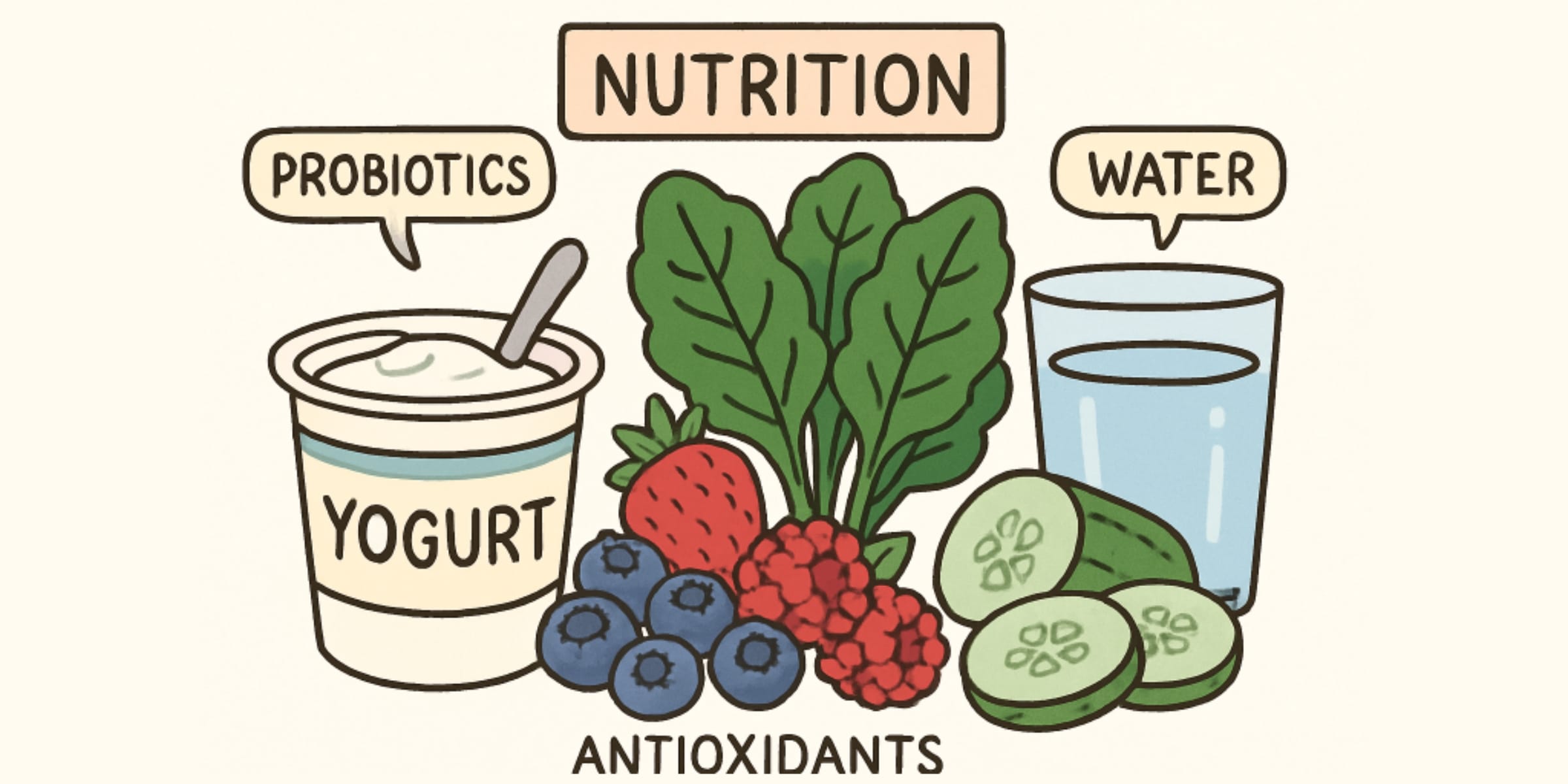
A thriving vaginal microbiome relies on an abundance of beneficial bacteria, especially lactobacilli, which help maintain an optimal pH and ward off opportunistic pathogens. Consuming live-culture foods like yogurt, kefir, miso, sauerkraut, or kimchi introduces these helpful bacteria, fostering an environment in which harmful bacteria and yeast struggle to thrive. Regular intake of these foods helps reduce the recurrence of infections, particularly bacterial vaginosis and yeast infections, by naturally stabilizing the balance of microorganisms.
Nutritionists and gynecologists often recommend pairing probiotics with fiber-rich produce, such as leafy greens, oats, and whole grains, to further enhance the stability of both gut and vaginal flora, as gut health is intricately connected to immune defense and hormonal regulation.
Fermented foods can also help replenish good bacteria after antibiotic use, making them valuable allies following a course of medication that may have disrupted the natural balance. Importantly, individuals should focus on variety and avoid added sugars in yogurts and drinks, as sugar can exacerbate the growth of unwanted organisms.
For those unable to consume dairy, there are plant-based probiotic supplements and fermented non-dairy options, ensuring accessible choices for all dietary needs. Over time, a probiotic-rich diet contributes to greater resilience against infection, greater comfort, and decreased reliance on recurrent prescriptions or over-the-counter treatments.
Hydration and Antioxidant Intake
Adequate moisture intake is essential for mucous membrane function, ensuring the vaginal lining remains supple and resistant to microscopic tears or irritation. Drinking enough water, approximately two liters daily, depending on individual needs and activity level, supports optimal tissue hydration throughout the body. Consuming foods high in water content, such as melons, cucumbers, oranges, and celery, further helps replenish systemic and local moisture, benefiting both skin and mucous membranes.
Antioxidant-rich vegetables and fruits (think spinach, berries, and citrus) help strengthen the body’s defenses against inflammation, offering vital protection against oxidative stress that can accelerate cellular aging, cause discomfort, and increase vulnerability to minor infections. The role of antioxidants is especially relevant during major hormonal transitions, like menopause, when tissue elasticity and lubrication can decrease. For more about how antioxidants impact women’s health, see the resource provided by Mayo Clinic.
Incorporating hydration and antioxidants into daily routines is a non-invasive, supportive approach that benefits not only vaginal tissue but also overall immune functions, energy levels, and skin health. This nutritional foundation plays an important role in setting the stage for effective intervention and ongoing maintenance of vaginal wellness. When combined with professional support, diet becomes a powerful first step toward holistic care and prevention.
Regular Physical Activity
Routine aerobic activity, such as brisk walking, swimming, cycling, or dancing, improves pelvic blood flow and supports healthy hormone regulation. This enhanced circulation bolsters tissue oxygenation and regeneration, which is vital for maintaining the elasticity and integrity of vaginal walls throughout life. Physical activity is also strongly associated with lower inflammatory markers, contributing to less frequent irritation or discomfort and supporting efficient healing responses to minor injuries.
Staying active has knock-on benefits: it can reduce susceptibility to chronic pelvic pain syndromes and lower the risk of urinary incontinence, as exercise strengthens the pelvic floor muscles, which are crucial for both vaginal and bladder health. Activities such as yoga and Pilates also focus on core and pelvic muscles, enhancing body awareness and stability.
For individuals experiencing perimenopause or menopause, exercise can moderate vasomotor symptoms and fluctuating estrogen levels, which directly affect vaginal lubrication and resilience. Establishing a fitness regimen tailored to personal preferences and health status is a sustainable way to protect vaginal health for life.
Natural Remedies: Sea Buckthorn Oil and Boric Acid
Natural supplements and remedies can complement conventional care but should always be introduced thoughtfully and in partnership with healthcare professionals. Sea Buckthorn oil, noted for its potent blend of omega-3, omega-6, and omega-7 fatty acids as well as antioxidants, has shown promise in preliminary studies for vaginal dryness, especially among menopausal women.
While early research suggests notable improvements in lubrication and comfort, more large-scale studies are needed before widespread, standardized recommendations can be made. People interested in these remedies should discuss dosages, frequency, and source quality with a provider to maximize safety and benefits.
Boric acid, a time-tested option for recurrent bacterial and yeast infections, has been effective for individuals who struggle with chronic or antibiotic-resistant cases. However, it should be used only under professional guidance, as misuse can cause irritation or complicate underlying conditions.
For a deeper look at the efficacy and safety of natural supplements, review Healthline’s guide to natural remedies for vaginal dryness. Always consider a thorough health history and current prescription use before introducing any new supplements, as interactions or side effects may not be common knowledge. With informed, individualized guidance, selected natural products can offer significant benefit as part of a well-rounded care plan.
Routine Examinations and Personalized Care
Routine check-ups help identify early changes or abnormalities in vaginal health, thereby improving the effectiveness of any recommended treatment. Annual visits to a gynecologist or advanced practice provider are essential for anyone experiencing persistent itching, unusual discharge, abnormal odors, or pain, as these can be early signs of infection or other conditions that require prompt treatment. Innovations in at-home diagnostics and personalized care plans now provide more tailored medical options, increasing agency and privacy for those seeking care without unnecessary barriers or stigma.
With the growing menu of accessible diagnostic tools and the expanding acceptance of telehealth, individuals can now partner with qualified providers to create holistic, responsive care plans tailored to their current lifestyles and medical histories. Some companies offer home sample collection for STI and yeast infection testing, increasing convenience and helping those reluctant to schedule in-person visits. Personalized care encourages regular monitoring of reproductive and sexual health, so concerns are addressed promptly and thoroughly, minimizing discomfort and reducing the risk of complications.
Breaking the Stigma Around Vaginal Health
Societal stigma remains a persistent barrier to open dialogue about vaginal care, underscoring the importance of normalizing these conversations at all levels: from families to healthcare offices to community organizations. Increasing public awareness through education and advocacy is essential for empowering people to take proactive measures toward their own health. The emergence of Femtech companies has been pivotal, offering more choices, privacy, and confidence to those seeking support and helping to erase shame around a topic that directly affects nearly half the population.
Community efforts, expanded digital resources, and inclusive healthcare education continue to drive positive change, enabling individuals to engage in candid discussions and address needs promptly and confidently. As older generations pass down improved information and attitudes, and as more medical professionals undergo sensitivity training, the path toward self-advocacy and holistic wellness becomes clearer. By building supportive environments free from judgment, people are more likely to seek preventive care, share their experiences, and access treatments as soon as concerns arise.
Conclusion
Adopting a holistic approach to vaginal health weaves together nutritional support, regular physical activity, the considered use of select natural remedies, and timely, individualized medical check-ups. Combining accessible, discreet care with safe, medically appropriate strategies empowers individuals to confidently and proactively prioritize their well-being. With growing awareness and improved access, pursuing lasting vaginal wellness has become more attainable than ever, benefiting not just individuals but communities by enhancing long-term health, comfort, and quality of life.
Pin This Post




Comments +